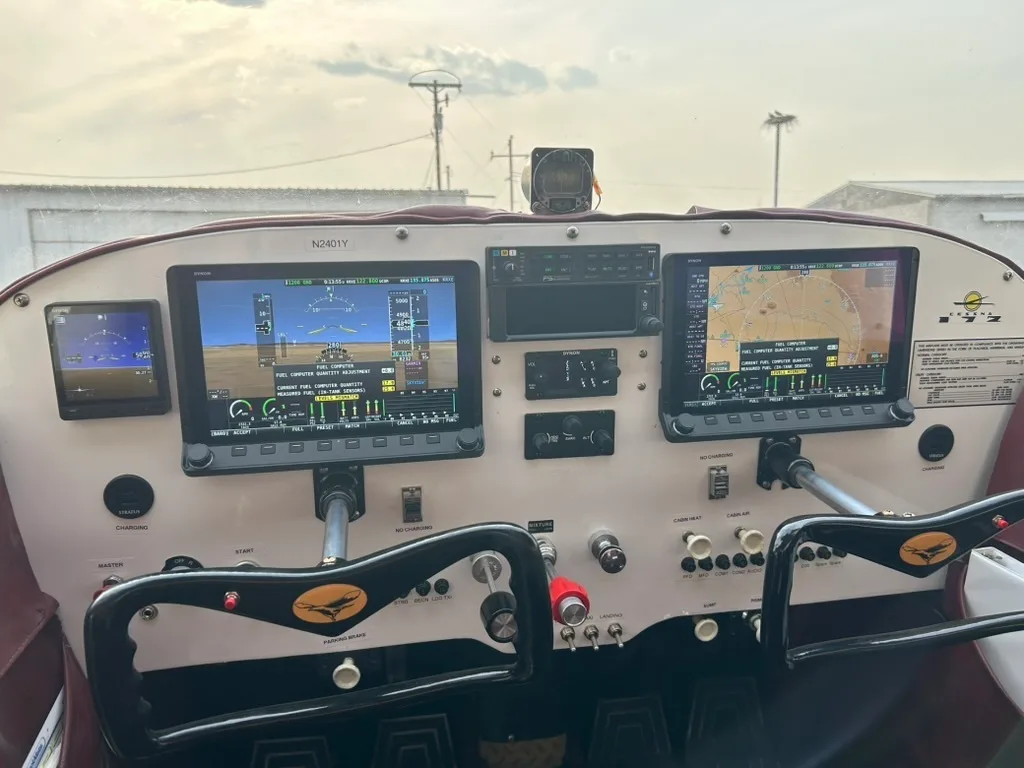
Understanding the Aircraft’s Fuel System
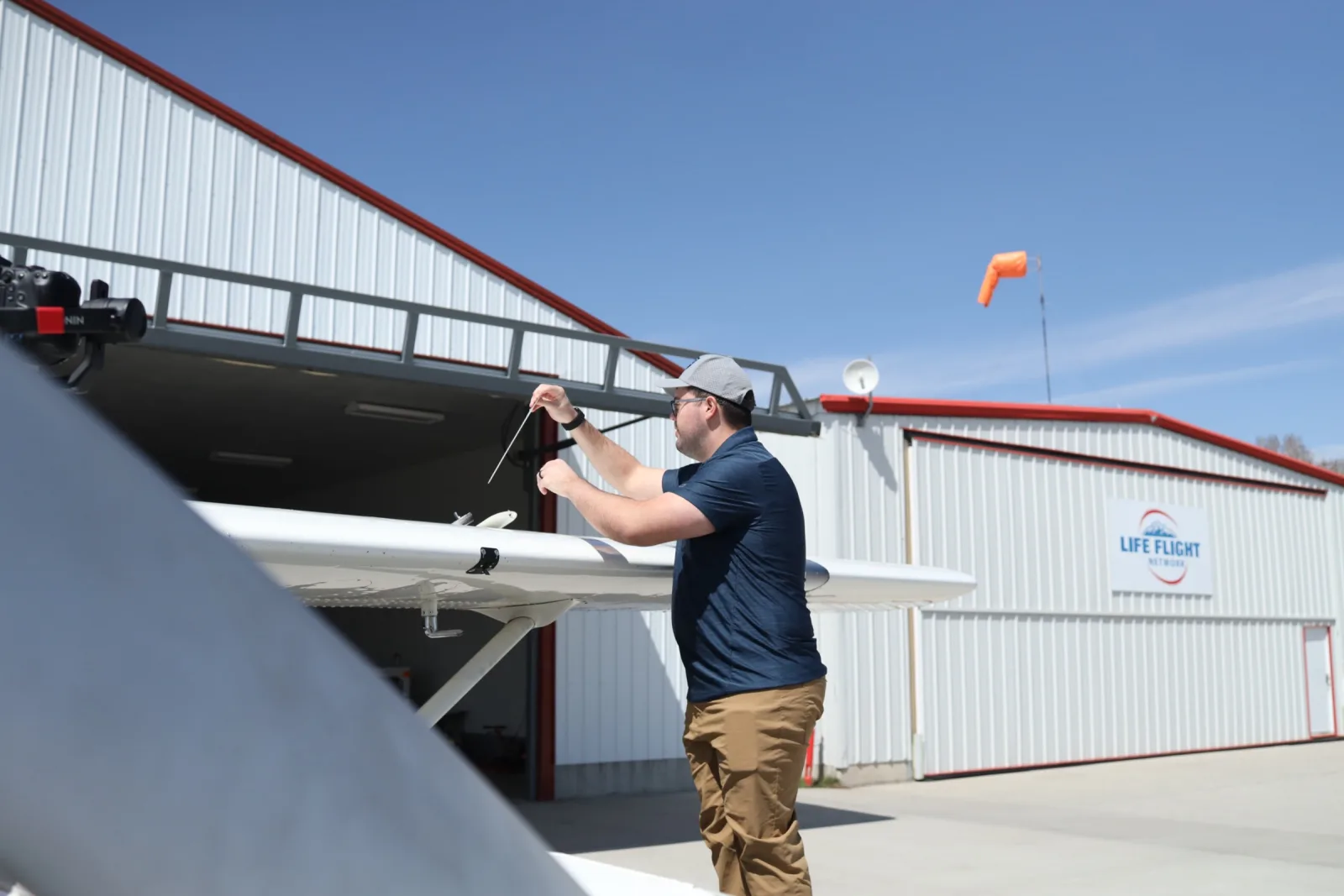
Before every flight, you’ll look in the fuel tanks, drain fuel samples, and make sure the fuel caps are secure. Those checks make more sense once you know how the fuel system works.
An airplane engine runs as long as clean fuel keeps reaching it. According to the FAA’s Pilot’s Handbook of Aeronautical Knowledge, the fuel system is designed to produce an uninterrupted flow of clean fuel from the tanks to the engine.
Gravity-Feed and Fuel-Pump Systems
Small airplanes usually move fuel in one of two ways.
A high-wing airplane like the Cessna 172 Skyhawk carries its tanks in the wings, above the engine. In a gravity-feed system, fuel flows down to the carburetor on its own.
Our Mooney M20C is a low-wing airplane, so its tanks sit below the engine and pumps have to move the fuel. A fuel-pump system has two of them: an engine-driven main pump and an electric auxiliary pump, also known as a boost pump.
A switch in the cockpit controls the boost pump. It’s used for engine starts and as a backup if the engine-driven pump fails.
Airplanes with pumps also have a fuel pressure gauge. Its normal range is listed in the Pilot’s Operating Handbook (POH) or marked in color on the gauge.
Fuel injection brings pumps into the picture even on a high wing. Our Vulcanair V1 is a high-wing airplane with a fuel-injected Lycoming engine, which uses an engine-driven fuel pump and an auxiliary pump.
Tanks, Vents, and Overflow Drains
Fuel tanks in small airplanes are usually inside the wings and filled through a capped opening on top. Each tank is vented to the outside air so the pressure inside stays at atmospheric pressure.
Depending on the aircraft, the vent runs through the fuel cap or a small tube in the wing.
Tanks also have an overflow drain that gives fuel room to expand as it warms. After a fill-up on a hot day, it isn’t unusual to see fuel dripping from that drain.
Fuel Gauges
According to the FAA handbook, certification rules only require fuel gauges to be accurate when they read empty. Treat any other reading as something to confirm.
During every preflight, look in each tank and compare what you see with that tank’s gauge; don’t rely only on the gauges.
The Fuel Selector
The fuel selector valve controls which tank feeds the engine. A common design has four positions: LEFT, RIGHT, BOTH, and OFF. LEFT or RIGHT draws from one tank, and BOTH draws from both.
Switching between LEFT and RIGHT is also how pilots keep the fuel balanced between the wings.
Placards near the selector list any limits, such as “level flight only” for a single tank or BOTH for takeoff and landing.
Whatever selector your airplane has, watch your fuel burn so a tank never runs dry. An empty tank stops the engine. It can also let air into the fuel lines and cause vapor lock, which makes a restart difficult.
Sumps, Strainers, and Fuel Samples
Before fuel reaches the engine, it passes through a strainer that removes water and sediment. Both are heavier than avgas, so they settle in low points in the system called sumps. During your preflight, drain a sample into a clear container from the strainer drain and from each tank sump.
Water is the most common contaminant. It can make fuel look cloudy, or it can settle in a clear layer under the colored fuel. In cold weather, water can freeze and block fuel lines. In warm weather, it can reach the carburetor and stop the engine.
If you find water, keep draining until the samples come out clean, and don’t take off until all of it is gone. Take a generous sample at the strainer, too. Water in the tank may not show up there until the fuel sitting in the line has drained out.
Filling the tanks after the last flight of the day helps keep moisture from condensing inside them.
Fuel Checks During an Idaho Winter
Cold weather from Pocatello to Rexburg adds one more thing to watch for. Water can freeze at the bottom of a tank or fuel filter and make the drains useless. When the ice melts, the water goes into the fuel system.
If that happens, the FAA handbook recommends moving the aircraft into a warm hangar until the drains work again. Then check every sump and drain before flight. You can find more winter advice in our tips for flying in cold weather blog post.
Fuel Grades and Colors
Aviation fuel is dyed by grade:
- 80: red
- 100: green
- 100LL: blue
- Jet A: colorless or straw
The “LL” in 100LL means low lead, and it performs the same as grade 100.
Jet fuel is basically kerosene and smells like it. In an airplane that burns 100LL, a clear sample or a kerosene smell means something is wrong. Talk to your Certified Flight Instructor (CFI) before you fly.
The aircraft’s required grade is listed in the POH, on placards in the cockpit, and next to the fuel caps. If that grade isn’t available, you can use the next higher grade. Never use a lower one, which can push cylinder head and oil temperatures past their normal ranges and lead to detonation.
The Fuel Primer and Refueling
Some airplanes have a fuel primer, which sprays fuel straight into the cylinders before you start the engine. It helps on cold days. Follow the aircraft’s priming instructions so you don’t overprime, and lock the primer when you’re finished.
An unlocked knob can vibrate out in flight and make the mixture too rich.
At Bravo 6, a fueling team comes by to fill the tanks across our fleet, so you don’t have to worry about refueling during training. You’ll still want to check the fuel yourself on every preflight. Look in each tank and drain your samples, no matter who filled it.
Refueling safety is still worth knowing for the day you fuel up somewhere else, like a stop on a cross-country flight.
When you refuel, static electricity is the hazard to manage. Attach the ground wire before you remove the fuel cap, and keep the nozzle bonded to the aircraft until you’re done. The FAA also recommends avoiding fuel from cans and drums, which can introduce contamination.
Fuel Exhaustion vs. Fuel Starvation
Most fuel management accidents fall into one of two types: fuel exhaustion is running out of fuel; fuel starvation means there’s fuel on board, but it doesn’t reach the engine.
Common reasons for this may include a blockage, water in the fuel, or a fuel selector in the wrong position.
Fuel reserves are also a legal requirement. Under 14 CFR 91.151, a VFR flight in an airplane needs enough fuel to reach the first planned landing point, considering wind and forecast weather.
After that, it needs enough to keep flying at normal cruising speed for at least 30 more minutes during the day, or 45 at night. Our post on how to plan fuel stops goes into fuel burn and reserves in more detail.
Ready to Start Flight Training?
Private pilot students at Bravo 6 Flight Academy start training in our Cessna 172 Skyhawk. Our in-house maintenance team keeps every airplane in the fleet in peak condition.
Explore flight training at Bravo 6 Flight Academy and take the first step toward getting in the cockpit.