
The Flight Review: What Happens Every Two Years
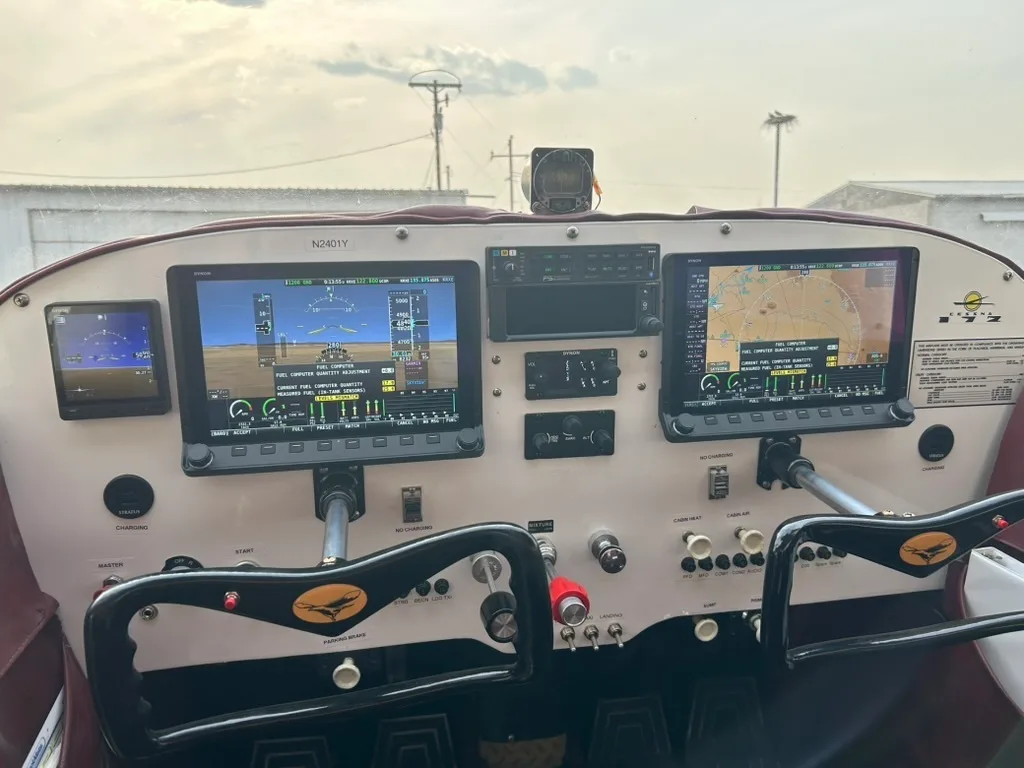
For most pilots, the flight review is one of those aviation requirements that comes up on the calendar every couple of years. It’s sometimes referred to as a “biennial flight review” or BFR, but the FAA’s official term is “flight review.”
More importantly, it’s not meant to be a stressful checkride. A flight review is an opportunity to sit down with an instructor, refresh the knowledge and skills that matter most to your flying, and make sure you feel confident in the left seat.
When Is a Flight Review Required?
To act as pilot-in-command, most pilots must complete a flight review within the preceding 24 calendar months.
Because the FAA uses calendar months, your review is valid through the end of the 24th month. For example, if you completed your last flight review on May 12, 2024, you can continue acting as pilot-in-command through May 31, 2026.
If your flight review has expired, your pilot certificate does not disappear. You simply cannot act as pilot-in-command again until you complete the required review or another qualifying activity.
What Does a Flight Review Entail?
The FAA requires a minimum of one hour of ground training and one hour of flight training. Those are the minimums, not a guarantee that the whole process will take exactly two hours.
Your instructor will tailor the review to your experience, the type of aircraft you fly, and how often you have been flying. A pilot who flies regularly may need a different review than someone returning after a few years away from aviation.
The ground portion typically includes a review of current operating rules and practical decision-making. You may discuss airspace, weather, fuel planning, aircraft performance, runway safety, emergency procedures, or changes that affect the kind of flying you do.
In the air, you can expect to work through the maneuvers and procedures your certificated flight instructor believes are important for demonstrating safe pilot-in-command skills. That could include takeoffs and landings, stalls, steep turns, slow flight, emergency scenarios, navigation, radio communication, or go-arounds.
The goal is not to fit every possible maneuver or scenario into one flight. It’s to focus on the areas that will make you a safer, more capable pilot.
Is It a Test?
A flight review is different from a practical test. There is no designated examiner, no FAA knowledge exam, and no “failed checkride” on your record if you’re rusty on a certain skill.
That said, your instructor must be comfortable endorsing your logbook. If an area needs more work, the instructor may recommend additional training before completing the endorsement.
That is not a bad outcome. It gives you a clear path to rebuild proficiency instead of rushing through a requirement.
The best approach is to treat the review as training, not as something to get over with.
How to Prepare
A little preparation can make your flight review more productive and less intimidating. Start by checking your logbook well before your due date so you’re not trying to schedule at the last minute.
Before meeting with your CFI, review the basics you may not use every time you fly. Part 91 operating rules, airspace, weather minimums, required documents, and emergency procedures are all worthwhile places to start.
It also helps to be honest about your recent experience. If you have not flown at night in a while, are less comfortable with cross-country planning, or want to improve your landings, let your instructor know. A good flight review can be built around your actual goals, not just a standard checklist.
Bring your pilot certificate, medical certificate or BasicMed documentation if applicable, and your logbook. Your instructor may also ask you to bring aircraft paperwork or complete a short planning exercise beforehand.
Flight Review vs. Recent Flight Experience
A current flight review doesn’t replace all other currency requirements. For example, pilots must still meet the FAA’s recent flight experience requirements to carry passengers, including the required takeoffs and landings for day or night operations.
Pilots with an instrument rating also have separate currency requirements if they plan to fly under IFR.
Think of the flight review as a broader check-in on your overall proficiency and knowledge. Recent experience requirements are separate rules that help ensure you are current for specific types of operations.
Are There Other Ways to Meet the Requirement?
In some cases, a pilot may satisfy the flight review requirement without completing a traditional flight review. Passing a practical test for a new certificate, rating, or operating privilege can qualify, as can completing a phase of the FAA WINGS Pilot Proficiency Program.
Even if one of these options applies to you, continuing to train with an instructor is one of the best ways to stay sharp. Aviation is not a skill set that benefits from being put on a shelf for two years at a time.
Make Your Next Review Count
Your flight review is a chance to ask questions, work on the skills that matter to you, and leave feeling more prepared and confident for your next flight.
Whether you fly often or are getting back into aviation after time away, the instructors at Bravo 6 Flight Academy can help you approach your review with confidence. Schedule time with our team to refresh your knowledge, sharpen your skills, and get back in the air ready for what comes next.