
Soar to New Heights With Bravo 6
Commercial Pilot License
A Commercial Pilot License means you can be paid to fly. You earn it after your Private Pilot License and Instrument Rating, with a minimum of 250 total flight hours.
- 250total flight hours, the FAA minimum
- 18minimum age for the certificate
- 9 to 12months when you train consistently
- $35,000starting price for the program
How does your commercial license differ from a private pilot license?
A private pilot flies for recreation and travel and cannot be paid for it. A commercial pilot can legally be paid to carry passengers and cargo.
A commercial certificate is also different from an Airline Transport Pilot (ATP) certificate. You need the ATP to fly for an airline. It requires a minimum of 1,500 flight hours, and you add it after the commercial.
You should hold your private certificate and your Instrument Rating before you begin commercial training.
What are the requirements?
To earn a commercial certificate you must:
- Hold a Private Pilot License
- Hold an Instrument Rating
- Log a minimum of 250 total flight hours
- Pass the commercial pilot knowledge exam
- Pass the practical test (the checkride)
- Be at least 18 years old
- Hold the appropriate FAA medical certificate
The 250 hours include specific cross-country, night and training requirements.
The Airplanes You'll Fly
Private students fly our Cessna 172 Skyhawks. Instrument and commercial students can also train in the Mooney M20C and the Vulcanair V1. Every rate includes fuel.
Mooney M20C
N3971N has retractable gear, flaps and a controllable-pitch propeller, so it is also our complex trainer.
Complex endorsementVulcanair V1
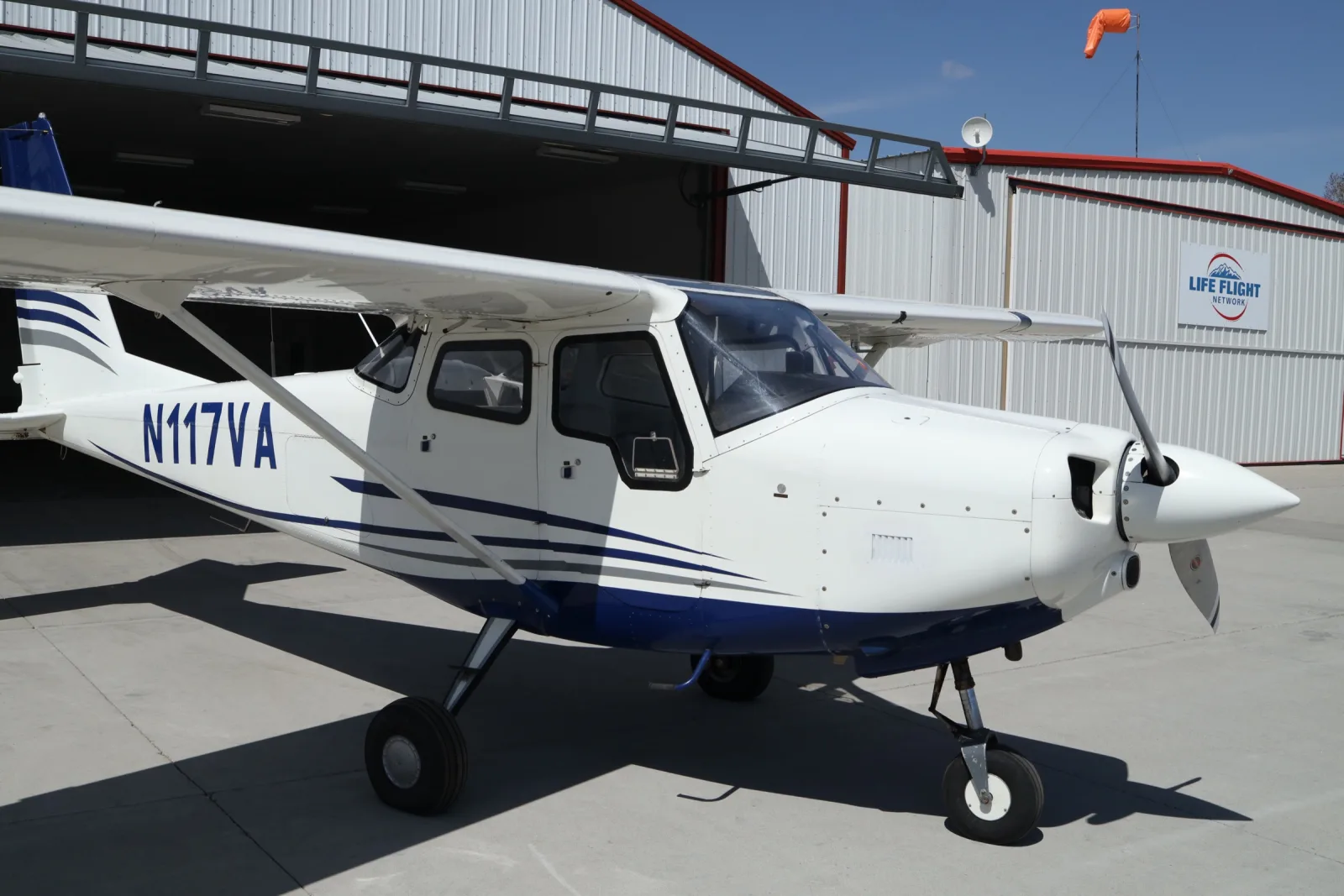
N117VA is on the line for instrument and commercial training.
See the fleetRedbird FMX
A full-motion simulator in Rexburg, approved by the FAA as an Advanced Aviation Training Device. You can log up to 50 hours in it toward the commercial certificate.
About the simulator
What job opportunities are available for commercial pilots?
A commercial certificate opens paid flying work, including:
- Charter pilot
- Cargo pilot
- Aerial surveyor
- Agricultural pilot
- Emergency responder
- Flight instructor
The average commercial pilot earns around $113,000, though pay varies by employer and role. Many of our graduates build hours by instructing as a CFI right here before they move on to airline and corporate careers.
What Commercial Training Costs
The Commercial Pilot License program starts at $35,000. A large part of commercial training is building the required flight hours, so your total depends on how efficiently you fly.
The simulator helps with that. Using it through the winter can save you up to $5,000 on the commercial certificate, because you keep your skills sharp instead of paying to relearn them later.
Financing through Stratus Financial and aviation scholarships are both available.
How Can Bravo 6 Flight Academy Help Reach Your Flying Goals?
Students who train consistently typically reach the commercial level in about nine to twelve months. We fly essentially dawn to dusk, and a dispatcher schedules lessons around your job or school.
If you are starting from zero, the Zero to Hero program runs the private, instrument and commercial training as one continuous path. It can take a new student to a commercial certificate in as little as one year.
If you started somewhere else, bring your logbook and training records. An instructor will review where you are and build a plan from there.
The complex endorsement is a common addition during commercial training, and dispatch can schedule the two together.
Frequently Asked Questions
What does a commercial pilot license allow me to do?
A Commercial Pilot License (CPL) means you can be paid to fly. It opens the door to careers as a charter pilot, cargo pilot, aerial surveyor, agricultural pilot, emergency responder, flight instructor, and more. A CPL is not the same as an Airline Transport Pilot (ATP) certificate, which you'll add later to fly for the airlines, but it's the certificate that turns flying from a hobby into a profession.
What are the requirements for a commercial certificate?
To earn your CPL you must hold a Private Pilot License, hold an Instrument Rating, log a minimum of 250 flight hours, and pass the commercial knowledge exam and practical test (checkride). You must also be at least 18 and hold the appropriate FAA medical certificate.
How many flight hours do I need?
A commercial certificate requires a minimum of 250 total flight hours, including specific cross-country, night, and training requirements. Our programs are built to help you build those hours efficiently and purposefully, so every hour moves you toward your goal.
What ratings should I have before starting commercial training?
You should hold your Private Pilot License and your Instrument Rating before beginning commercial training. If you're starting from scratch, our Zero to Hero program bundles all three together in one streamlined path.
How long does commercial training take?
Students who train consistently typically reach the commercial level in about nine to twelve months, and our accelerated Zero to Hero track can take a brand-new student from zero to a commercial certificate in as little as one year. Weather and individual progress affect the timeline.
How much does the commercial pilot license cost?
Our Commercial Pilot License program starts at $35,000. Because a large part of commercial training is building required flight hours, your total depends on how efficiently you fly. Financing through Stratus Financial and aviation scholarships can help make it achievable.
Can this lead to a career as a professional pilot?
Absolutely. The commercial certificate is the gateway to a professional flying career, and most major airlines are actively hiring. The average commercial pilot earns around $113,000, though pay varies by employer and role. Many of our graduates build hours by instructing as a CFI right here before moving on to airline and corporate careers.