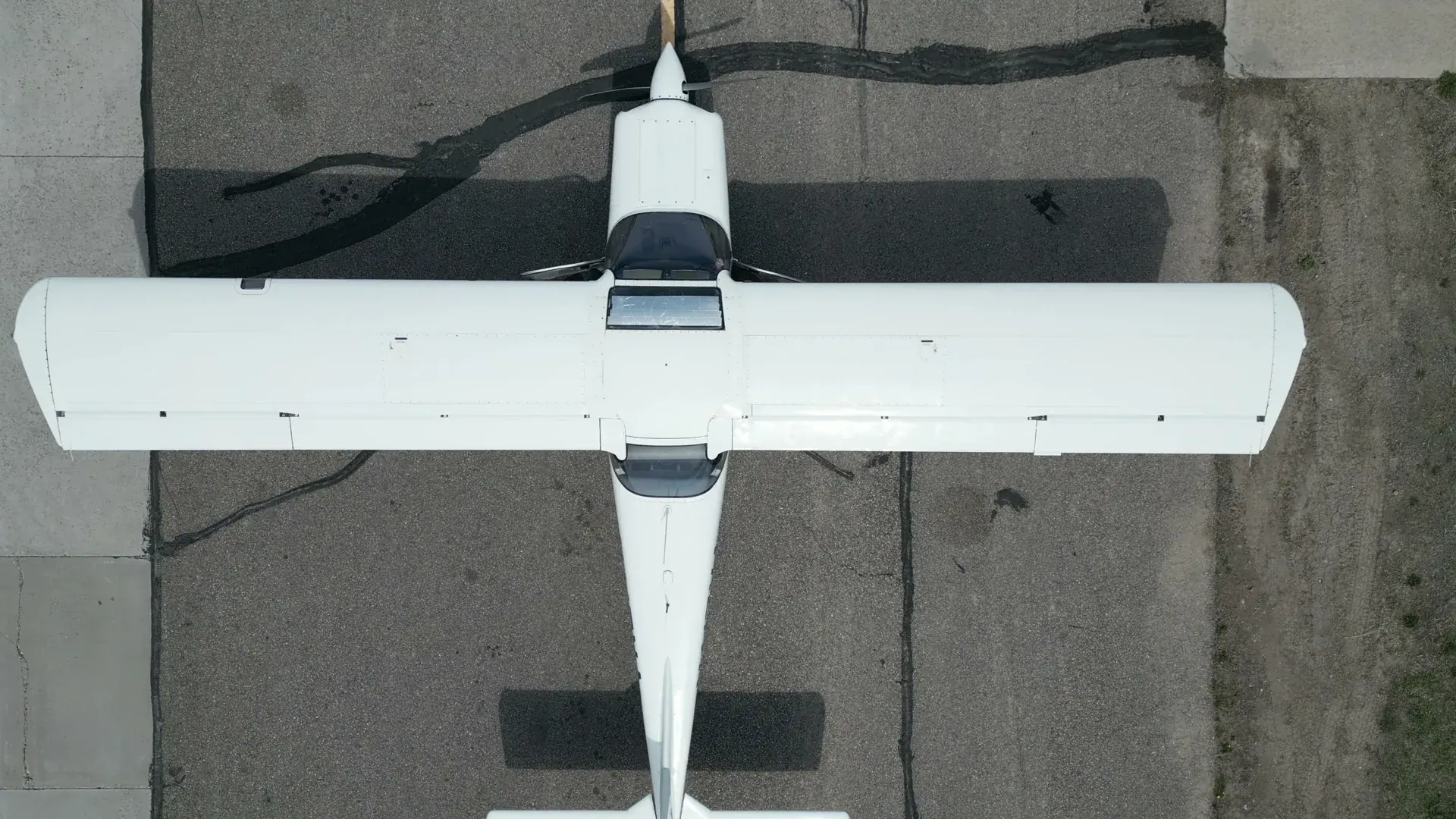
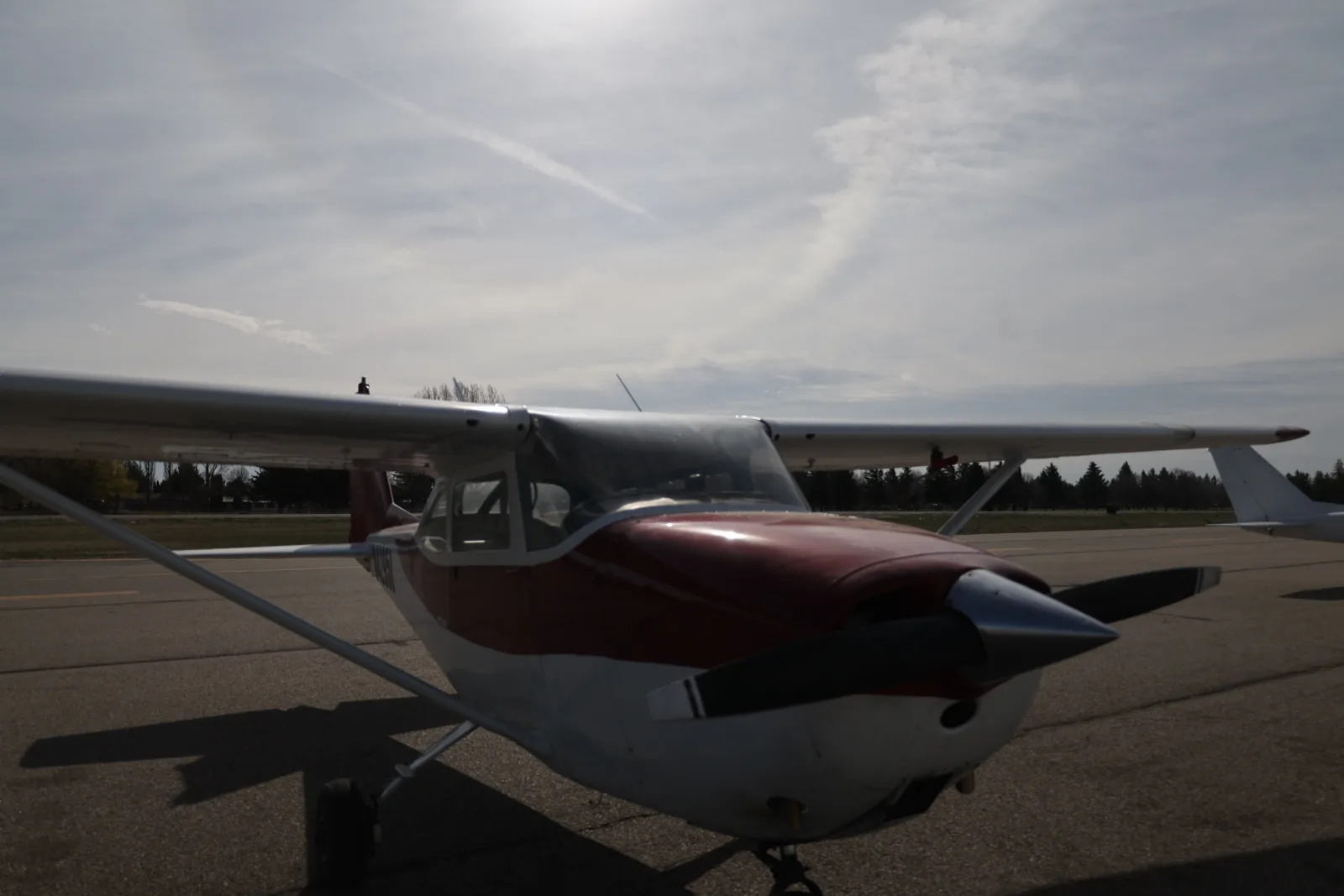
A Private Pilot License lets you fly for recreation and travel and carry friends and family as passengers. Every advanced rating and every flying career starts with it.
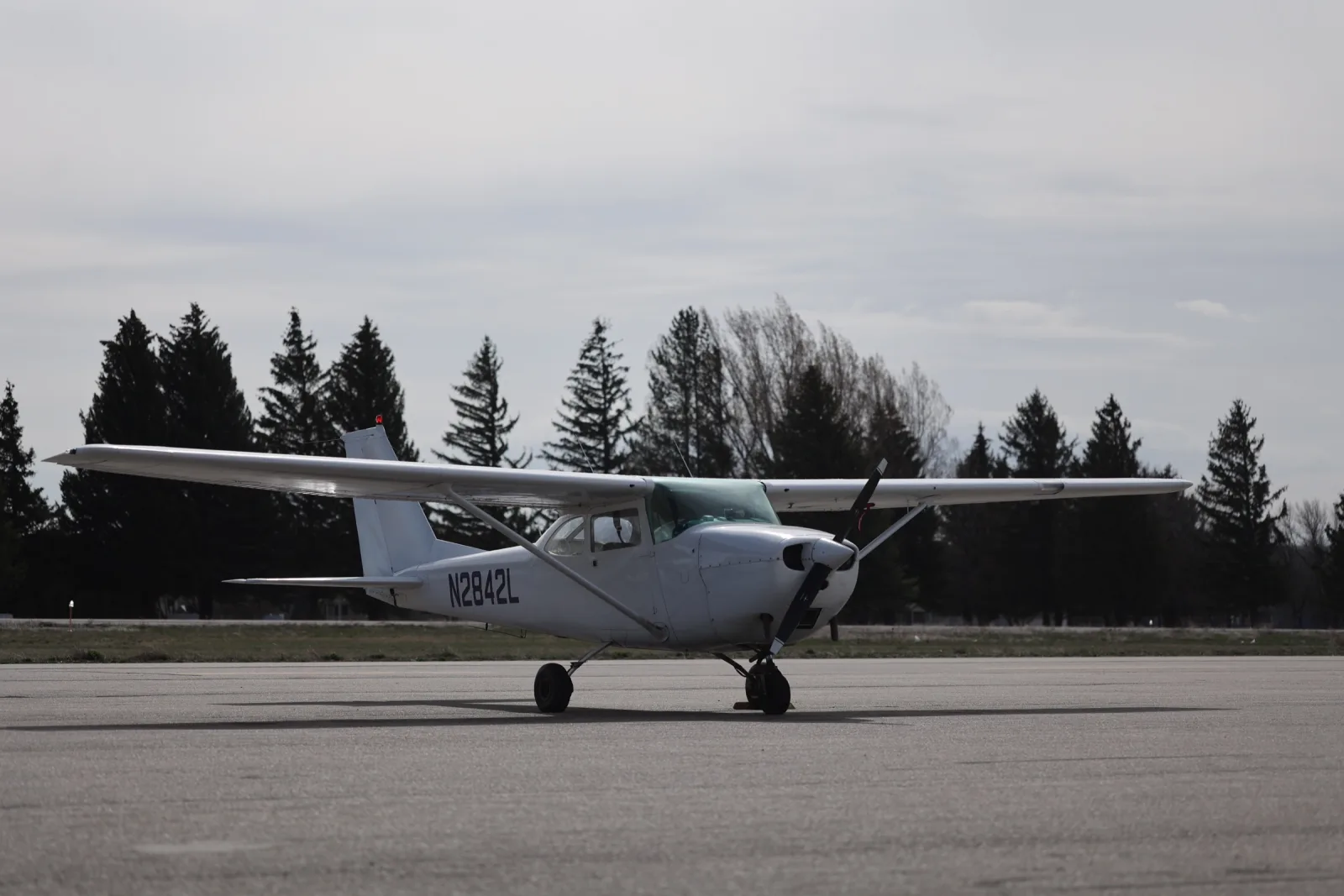
You train in our Cessna 172 Skyhawks from Rexburg or Pocatello, with a Certified Flight Instructor beside you until you are ready to fly solo. Students who fly three to five times a week usually finish in two to four months.
- 40flight hours, the FAA Part 61 minimum
- 17minimum age to earn the certificate. You can solo at 16.
- 2 to 4months, flying three to five times a week
- $10,000starting price for the program
Why Pursue a Private Pilot License?
The private certificate is where every pilot starts. With it you can fly small airplanes for recreation and travel and take passengers with you. You cannot be paid to fly on it.
- A career starts here. The Instrument Rating and the Commercial Pilot License both build on the private certificate.
- You travel on your own schedule. You can avoid the hassle of commercial flights and fly yourself.
- You join other pilots. It is a community of people who share the same interest.
What You Learn, in Order
Flight lessons build from basic maneuvers to solo flight and cross-country navigation. Ground school covers the knowledge side as you go.
The airplane and the preflight
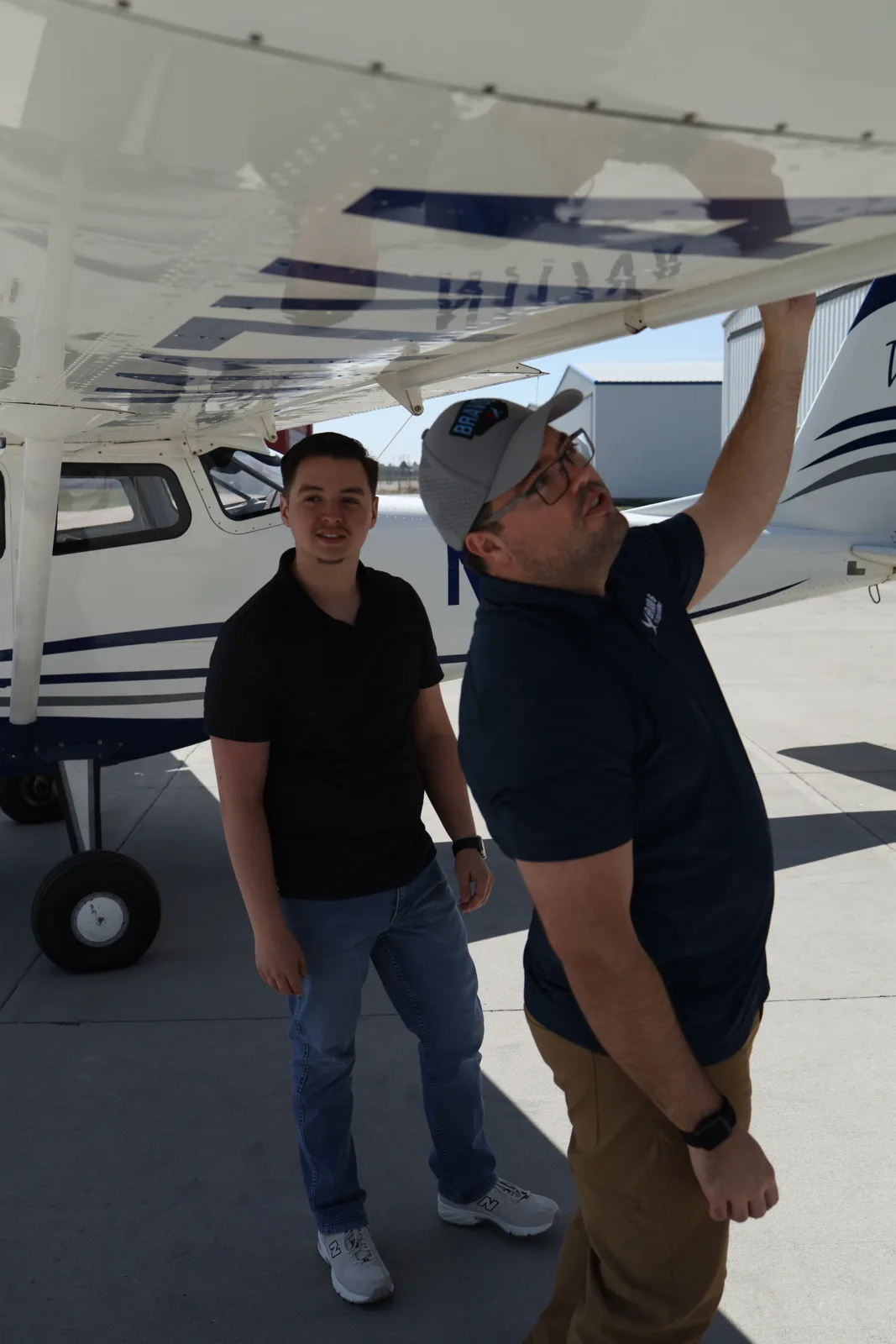
Every flight starts on the ground. You inspect the control surfaces, fuel, tires and oil, then learn the instruments and controls.
The four fundamentals
Straight-and-level flight, climbs, descents and turns. Your first hours in the air are spent on these.
Taxi, takeoff and the radio
You taxi, take off and start making basic radio calls. Rexburg is non-towered, so you make your own calls. Pocatello has a control tower, so you talk to a controller.
Landings
Traffic patterns, the approach, the flare and the touchdown. Nobody masters landings in the first ten hours, and you are not expected to.
Solo
After a solo proficiency check, you fly the airplane by yourself. You can solo as early as age 16.
Cross-country and the checkride
Training finishes with cross-country navigation and checkride preparation. The checkride is an oral exam and a flight test with an FAA examiner.
For more on the early lessons, read The First 10 Hours of Flight Training.
Become a pilot in as little as 4 Months
- Discovery FlightDay 1
- Foundational Flight Instruction5 weeks
- Emergency Procedures2 weeks
- Knowledge Test1 week
- Solo Proficiency Check1 week
- Solo Flight1 week
- Advanced Training5 weeks
- Checkride Proficiency Check1 week
Where the $10,000 Comes From
It is the FAA's 40-hour minimum, flown in a Cessna 172 with an instructor at $240 an hour, plus 6 hours of ground instruction at $65 an hour. That comes to $9,990.
Most students nationwide finish in 50 to 70 hours, and our students average closer to $12,000 to $18,000. Your total depends on how quickly you progress and how often you fly.
Every airplane rate includes fuel. The estimate does not include your FAA medical exam, the knowledge test, the checkride examiner fee, a headset or study materials.
You can run your own numbers in the cost calculator.
What Makes Bravo 6 Flight Academy The Right Choice?
- Two airports. Rexburg is non-towered and sits at 4,862 feet. Pocatello has a control tower and airline traffic. The airplanes, curriculum and instructor standards are the same at both.
- Our own maintenance shop. It is on the field in Rexburg, so an airplane that needs work goes to our shop instead of waiting on an outside mechanic.
- A schedule that works around yours. We fly essentially dawn to dusk, and a dispatcher schedules lessons around your job or school.
- A simulator for bad weather. The Redbird FMX in Rexburg keeps you training when Idaho weather grounds the airplanes.
- Ground school in person. It is taught by a Certified Flight Instructor in Rexburg and Pocatello, and it prepares you for the FAA written exam.
How to Start
Book a discovery flight
It is a short first lesson where you fly the airplane with a Certified Flight Instructor beside you. It is also the cheapest way to find out whether training is for you.
Get your FAA medical
You need at least a Third-Class medical certificate from an Aviation Medical Examiner. If you plan to fly professionally, start with a First-Class. A dispatcher can point you to a local examiner.
Start ground school
Ground school runs four weeks and can be taken before or alongside your flight lessons.
Fly three to five times a week
Consistency is the biggest factor in how fast you finish. Flying less often is fine. It takes longer.
Frequently Asked Questions
What can I do with a private pilot license?
A Private Pilot License (PPL) is your gateway to flying for personal recreation and travel. With it, you can fly small aircraft, carry friends and family as passengers, and rent or own airplanes. You can't be paid to fly with a PPL, but it's the foundation for every advanced rating and a professional career.
What are the requirements to earn a private pilot license?
To earn your PPL you must be at least 17 years old, be able to read, speak, and understand English, hold an FAA medical certificate, pass the FAA written knowledge exam, and pass an oral and flight test (the checkride) with an FAA examiner. You can begin training before you turn 17, and you can solo as early as 16.
How many flight hours are required?
Under FAA Part 61, the minimum is 40 flight hours, including dual instruction and solo time. In practice, most students nationwide finish somewhere in the 50-70 hour range, since the right number is whatever it takes for you to fly safely and confidently. Your instructor will make sure you're truly ready before signing you off for your checkride.
How long does it typically take to finish?
Students who fly three to five times a week typically earn their Private Pilot License in about two to four months. Training less frequently is completely fine; it simply stretches the timeline. Consistency is the single biggest factor in how fast you finish.
How much does a private pilot license cost at Bravo 6?
Our Private Pilot License program starts at $10,000, with students averaging closer to $12,000 - $18,000. Your total depends on how quickly you progress and how often you fly, since aircraft and instructor time are the main costs. We offer financing through Stratus Financial and can point you to scholarships to offset the cost.
What medical certificate do I need, and how do I get one?
You'll need at least an FAA Third-Class medical certificate, issued by an FAA-designated Aviation Medical Examiner (AME) after a straightforward exam. If you're planning a professional path, it's smart to start with a First-Class medical so you know early on that you meet airline standards. A dispatcher can help you decide which class fits your goals and point you to a local AME.
What is the minimum age to start and to earn the certificate?
You can begin flight training at any age and fly your first solo at 16, but you must be at least 17 to earn the Private Pilot License.
What does the training process and checkride involve?
Training combines ground school (the knowledge behind flying) with flight lessons that build from basic maneuvers to solo flight and cross-country navigation. Once your instructor signs you off, you'll take the checkride: an oral exam followed by a flight test with an FAA examiner who confirms you can fly safely to standards. Pass both, and you're a certificated private pilot.