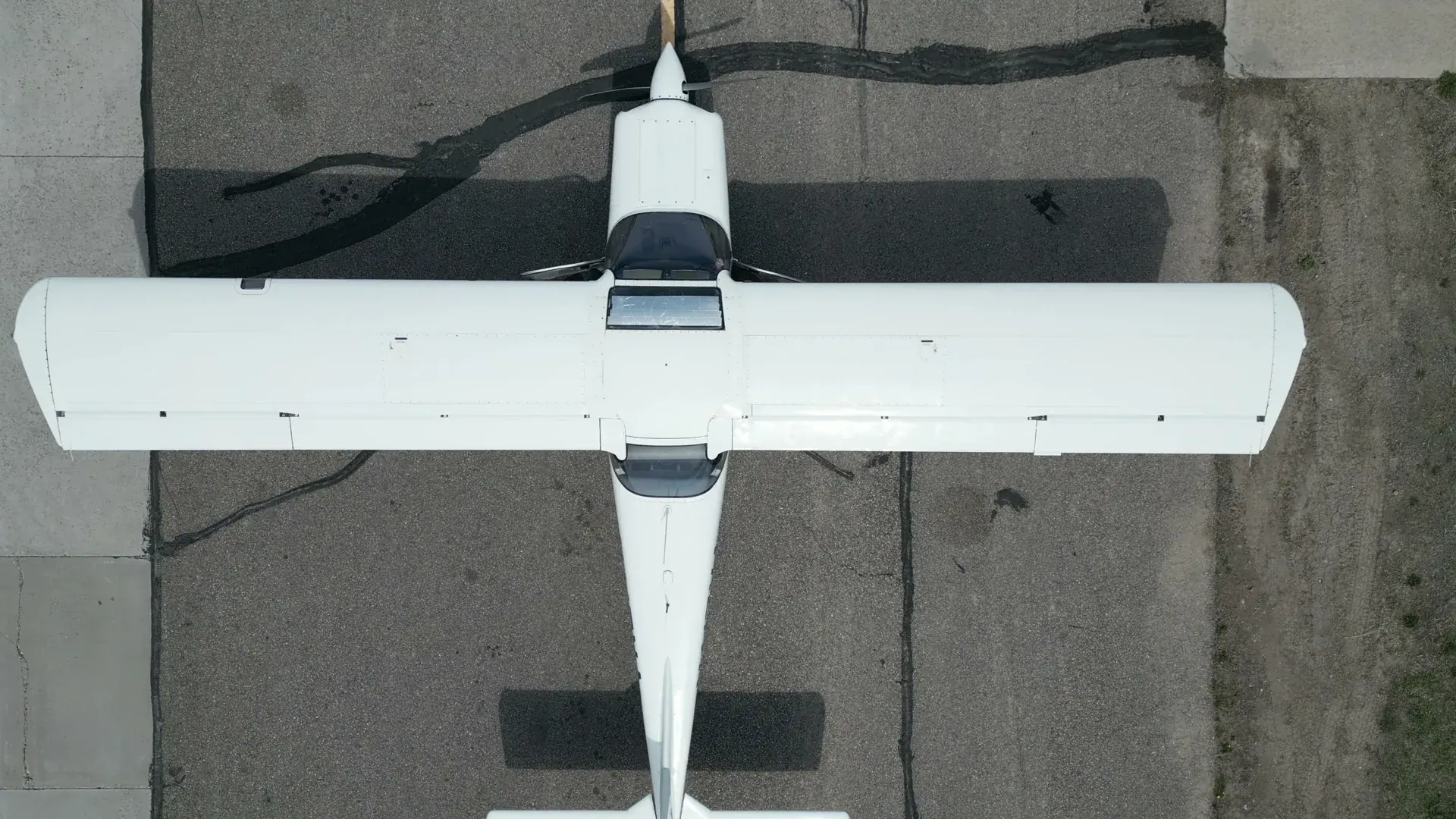

An Instrument Rating trains you to fly by reference to your instruments alone, in clouds and low visibility where you cannot rely on what you see outside the cockpit.
The rating is required for a commercial certificate. Part of the training is flown in our Redbird FMX simulator, which keeps you progressing when Idaho weather grounds the airplanes.
Why Do You Need an Instrument Rating?
Under visual flight rules (VFR), you fly by what you can see outside. VFR requires at least three statute miles of visibility and a prescribed distance from clouds.
When clouds, fog, smoke or reduced visibility take away your view of the ground or horizon, you need instrument flight rules (IFR). An IFR flight is flown on an IFR flight plan with a clearance from air traffic control. IFR is also required in Class A airspace, which generally begins at 18,000 feet MSL.
To fly IFR you must hold an Instrument Rating. The training also improves how you communicate with air traffic control.
What the FAA Requires
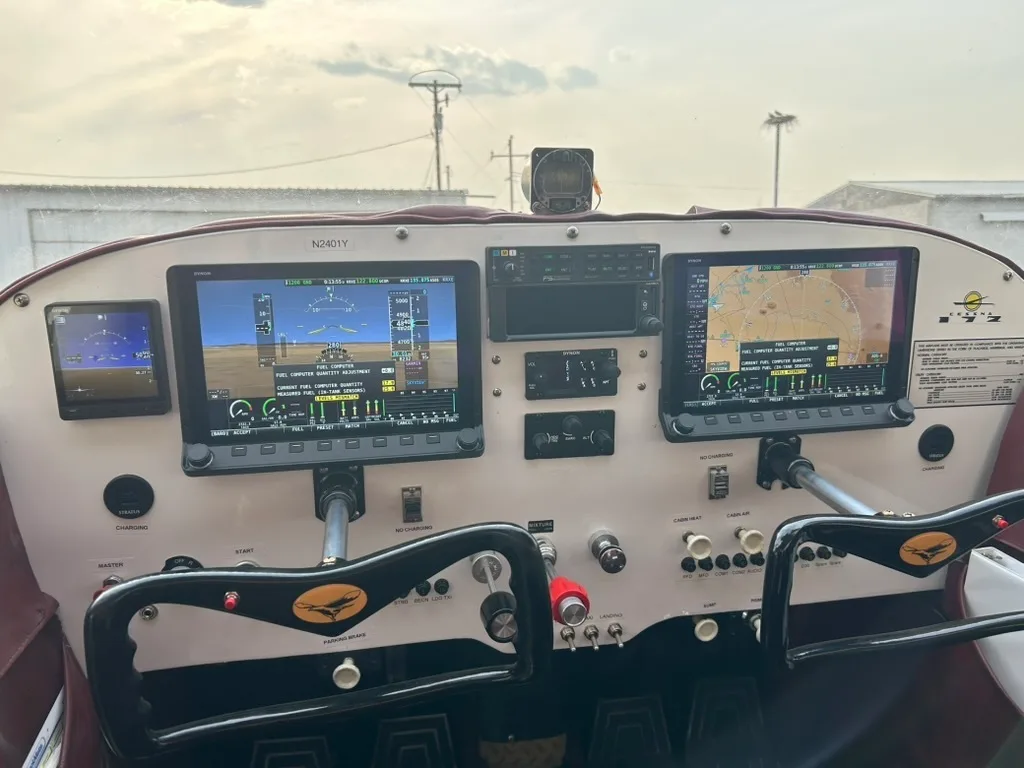
- 40hours of actual or simulated instrument time
- 50hours of cross-country flight time as pilot in command
- $12,000starting price. Program averages approach $15,000.
What Will You Learn From the IR Program?
The program prepares you for the scenarios an instrument pilot has to handle. You will be tested on these skills:
- Flight Planning
- Weather Briefing
- ATC Clearance
- Instrument Flight Deck Checks
- Navigation
- Airplane Systems
- Emergency Operations
- Landing Procedures
You need a Private Pilot License before you finish instrument training, and a current FAA medical certificate. Many students go straight from the private certificate into the instrument program to keep their skills sharp.
Training in the Redbird FMX
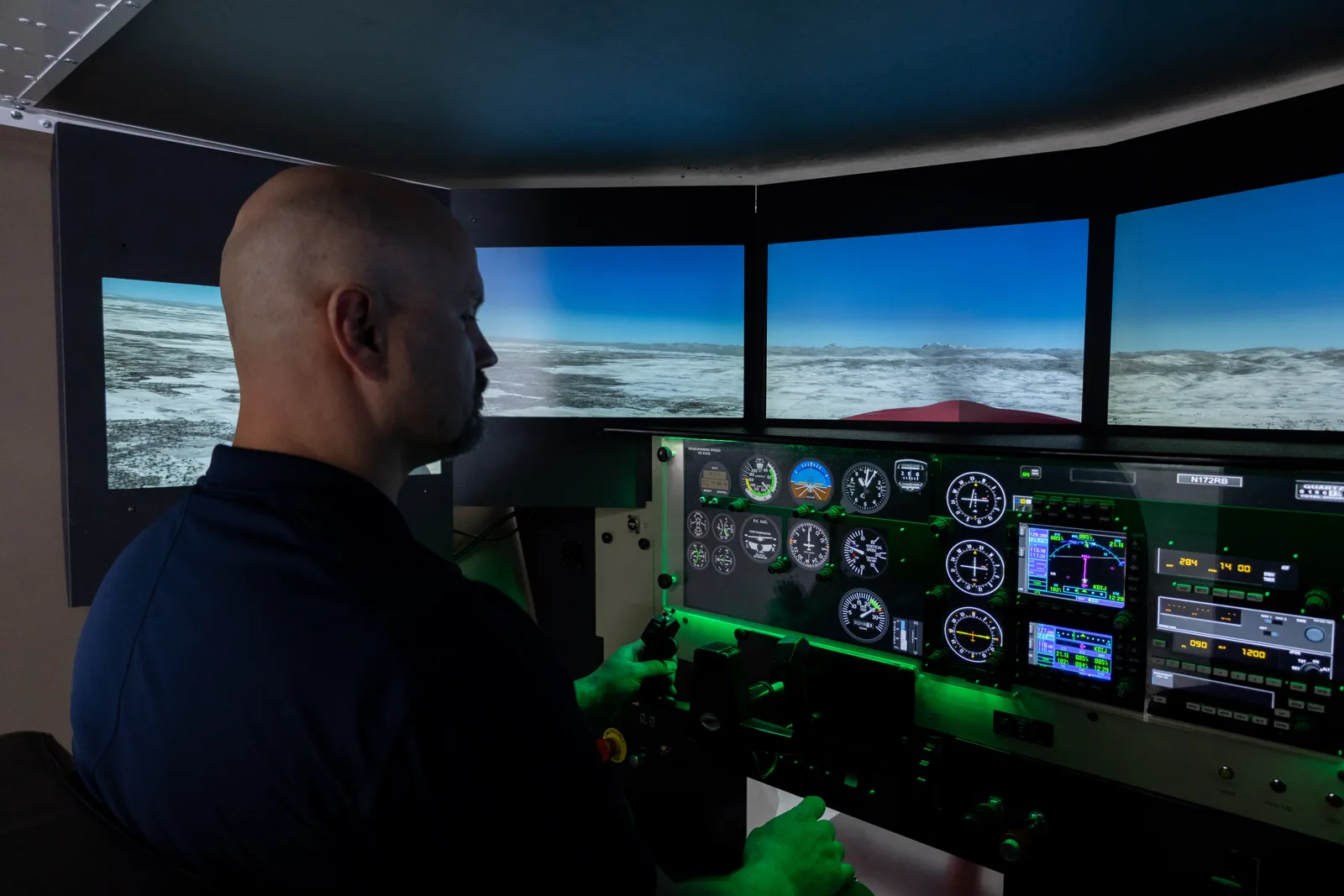
Our Redbird FMX 1000 is a full-motion simulator, approved by the FAA as an Advanced Aviation Training Device. Part of your required instrument time can be logged in it.
You can fly approaches, holds and full procedures as many times as you need. Your instructor can pause, reset and repeat any situation, and can simulate system failures.
The simulator is $130 an hour with an instructor. The Mooney M20C and the Vulcanair V1 are $250.
What Can You Do Once You Have an IR?
With the rating you can legally fly in clouds and low visibility, under instrument flight rules.
It is also a requirement for the Commercial Pilot License, and a step toward an airline career.
Most students complete the rating in a few months when they train consistently. Weather and your schedule play a part.
How Does an IR Improve Your Pilot Career?
An Instrument Rating lets you fly in a wider range of weather. That makes you a more competitive candidate for professional flying work.
The order is private certificate, Instrument Rating, then the Commercial Pilot License. The Zero to Hero program runs all three as one continuous path.
Instrument and commercial students can train in our Mooney M20C and Vulcanair V1.
Frequently Asked Questions
What is an instrument rating and why do I need one?
An Instrument Rating (IR) trains you to fly safely by reference to your instruments alone, in clouds, low visibility, and other conditions where you can't rely on what you see outside the cockpit. It dramatically expands when and where you can fly, sharpens your skills and ATC communication, and is a required stepping stone toward a commercial certificate and an airline career. At Bravo 6, safety comes first, and the instrument rating is one of the biggest safety upgrades a pilot can earn.
What are the prerequisites for instrument training?
You'll need a Private Pilot License before you finish your instrument training, and a current FAA medical certificate. Many students roll straight from their PPL into instrument training to keep their skills sharp and momentum going.
How many hours of instrument time are required?
The FAA requires 40 hours of actual or simulated instrument time, along with 50 hours of cross-country flight time as pilot in command. A portion of the instrument time can be completed in our Redbird FMX simulator, which is an efficient and cost-effective way to build precise instrument skills.
How long does the instrument rating take to complete?
Most students complete the instrument rating in a few months when training consistently, though weather and your schedule play a role. Training regularly keeps your instrument scan sharp and shortens the overall timeline.
How much does the instrument rating cost?
Our Instrument Rating program starts at $12,000, with program averages approaching $15,000. Using the simulator for a portion of your training helps manage the total cost. Financing and scholarships are available.
Do you use a flight simulator for instrument training?
Yes. Our Redbird FMX 1000 is an FAA-approved Advanced Aviation Training Device, and you can log up to 20 hours in it toward your Instrument Rating. The simulator lets you fly approaches, practice procedures, and handle simulated failures repeatedly in a safe, controlled environment, and it keeps you progressing even when Idaho weather grounds the airplanes.
What does the instrument checkride involve?
The instrument checkride includes an oral exam covering weather, regulations, flight planning, and instrument procedures, followed by a flight test where you fly approaches, holds, and navigation tasks by reference to instruments. Your instructor will fully prepare you and sign you off only when you're ready to pass.