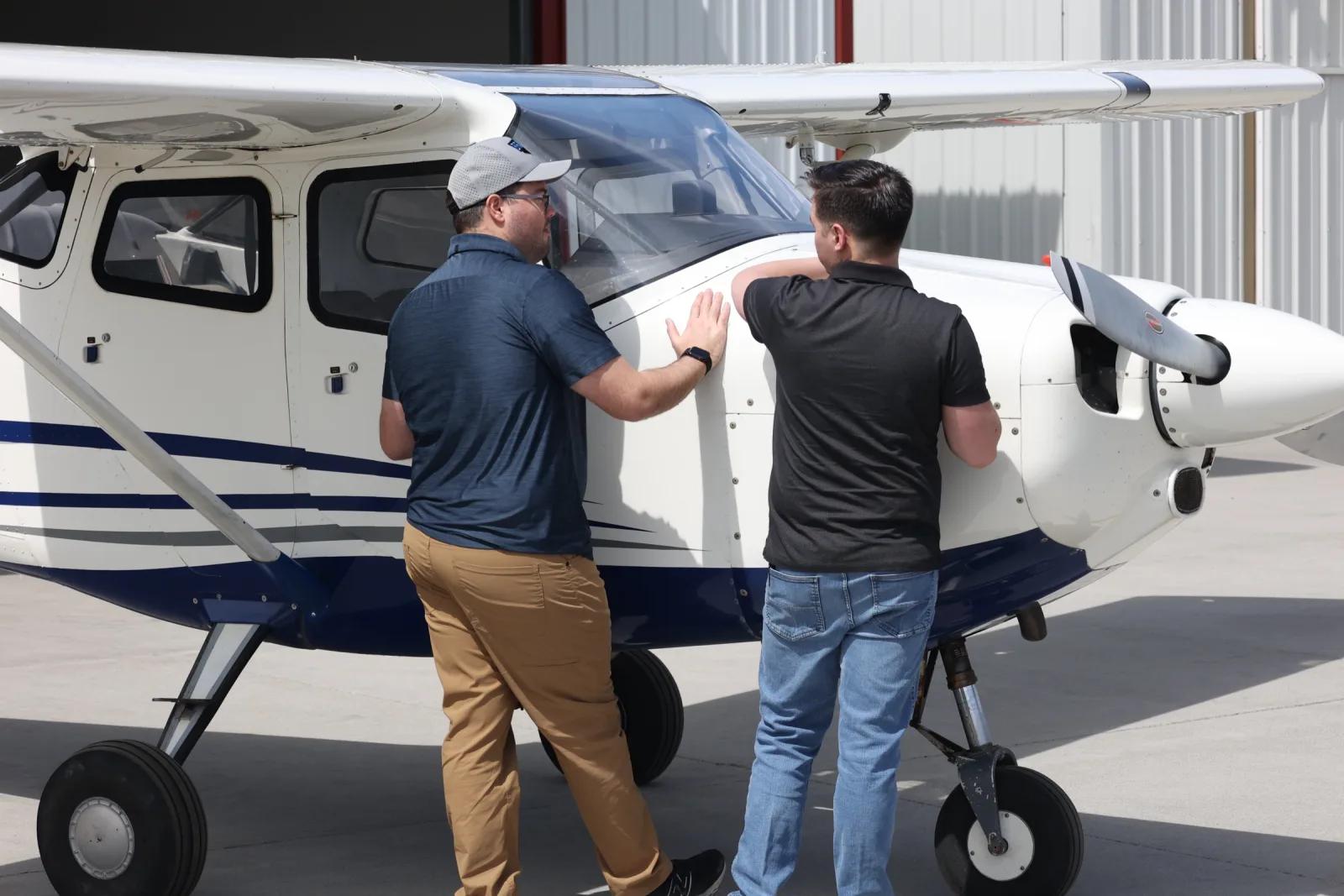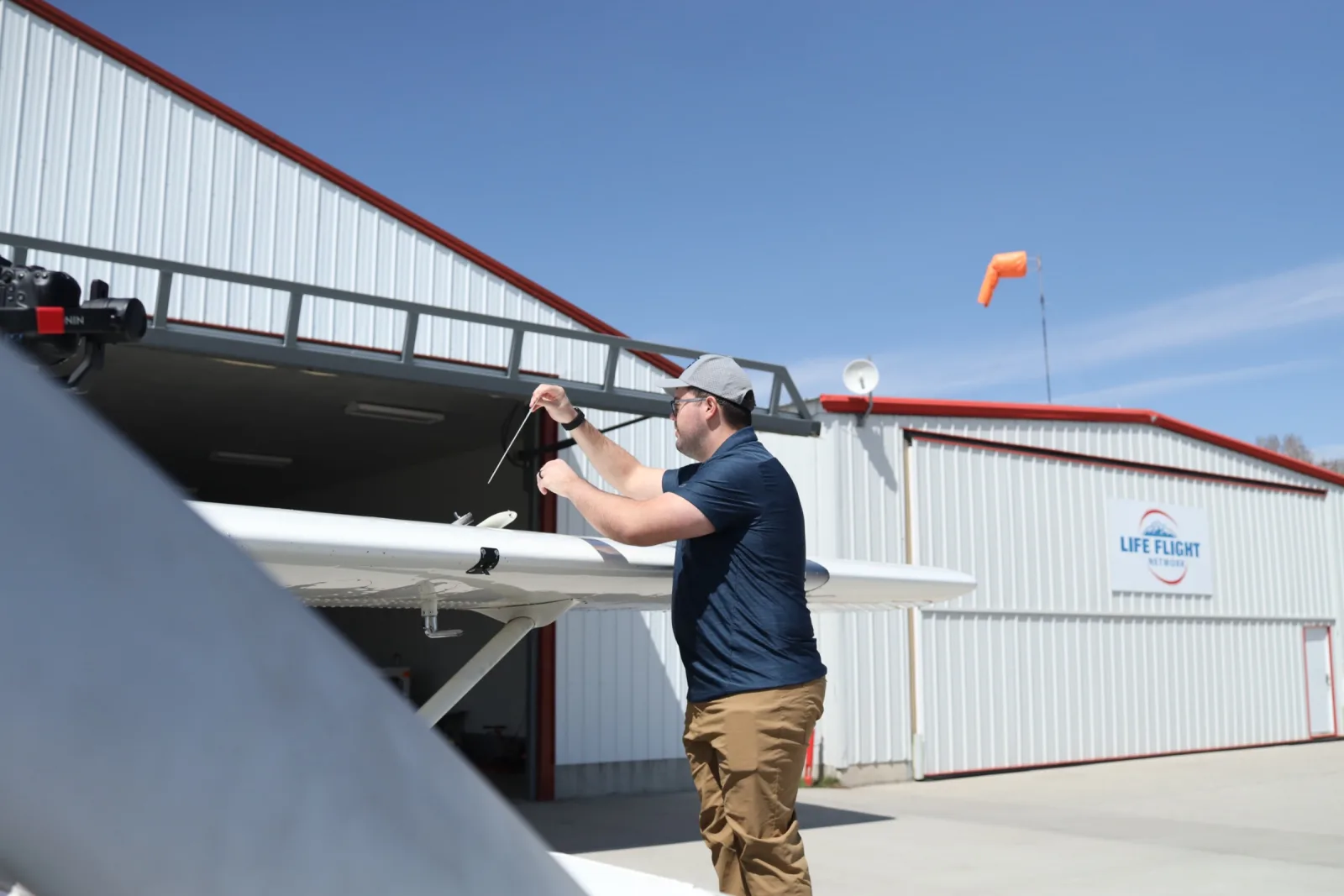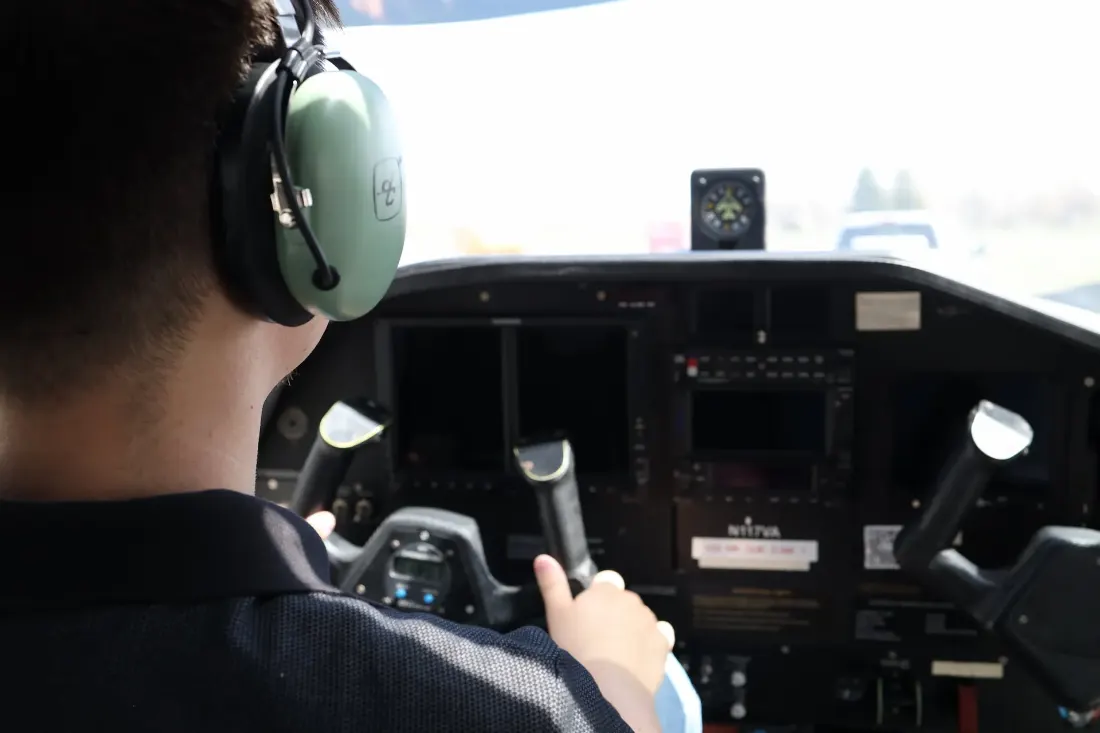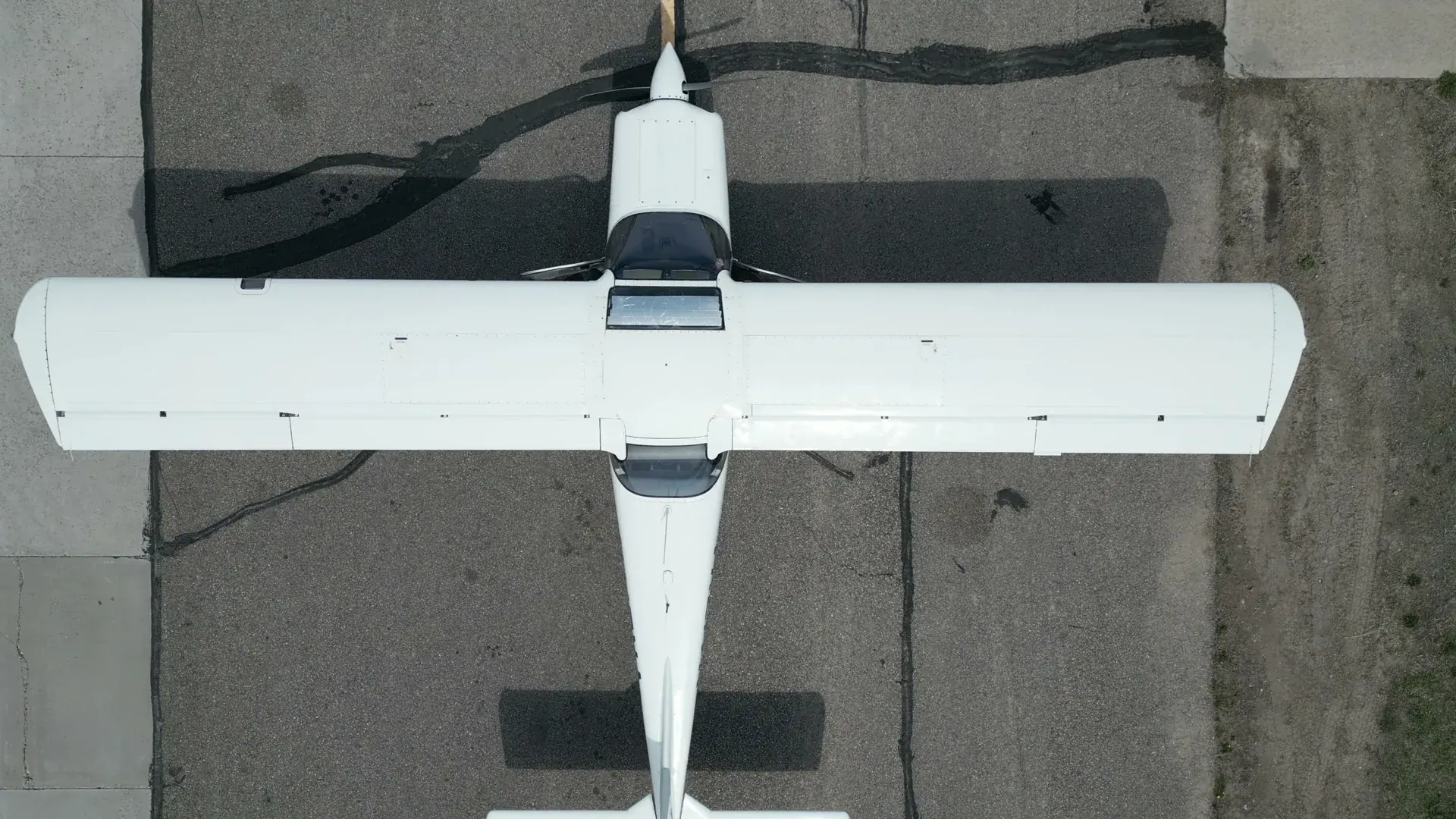
Normal takeoffs and landings assume a long, firm runway. Short-field and soft-field techniques are for when you don’t have one. Both are on the private pilot checkride, and they’re easy to mix up because both use flaps, slow airspeeds, and careful pitch control.
Two Different Problems
A short-field is about distance. The runway is short, or obstacles near the end limit how much of it you can use. On takeoff you want the shortest ground roll and the steepest climb. On landing you want to stop in the shortest safe distance.
With a soft-field, the surface is the problem. Tall grass, soft sand, mud, and snow all drag on the wheels. You want the wings carrying the airplane’s weight as early as possible on takeoff and for as long as possible on landing.
Some fields give you both, like a soft strip with an obstacle off the end. In that case, use the soft-field technique and climb at your best angle-of-climb speed, Vx, until you’re clear.
The Short-Field Takeoff
Taxi to the very start of the runway so you can use every foot of it. If your Pilot’s Operating Handbook (POH) calls for flaps, set them before you roll.
On the checkride, you’ll hold the brakes, bring in full power, confirm the engine is making it, and then release. The FAA’s Airplane Flying Handbook notes this hasn’t been shown to shorten the takeoff run in every light single. It’s still what the test standard asks for.
Accelerate in a normal, low-drag attitude. As you near Vx, rotate to the Vx attitude. Hold that speed until you’ve cleared the obstacle, or until you’re at least 50 feet up if there isn’t one. Then lower the nose slightly and climb at Vy, your best rate-of-climb speed.
Pull the airplane off too early and it can settle back onto the runway. Even if it stays airborne, the climb stays flat until you reach Vx. Keep your eyes outside and leave the flaps alone until you’re clear and stable at Vy. Raise them in steps after that so the airplane doesn’t sink.
The Soft-Field Takeoff
Don’t stop once you’re on the runway. Keep rolling with some power as you line up since stopping in mud or snow can bog the airplane down.
Add full power smoothly and hold enough back pressure to take weight off the nosewheel. With the nose high the wings take more of the load as you speed up. Hold that attitude and, in the handbook’s words, the airplane “virtually flies itself off the ground.” It may not feel that way the first few times, however.
It lifts off below a safe climb speed, held up by ground effect. Lower the nose and fly level just above the surface while you accelerate to at least Vx. Climb out early and the airplane will want to settle back down, even at full power.
High density altitude makes all of this harder. It cuts engine and propeller performance, stretches the takeoff roll, and weakens the climb. Add heat or a heavy airplane and you can end up airborne but unable to climb out of ground effect.
Our home field in Rexburg sits at 4,862 feet, so you’ll fly at high elevation from your first lessons. That’s one more reason to check your POH’s performance charts before either takeoff. For more on air density, read The Science Behind a Perfect Takeoff.
The Short-Field Landing
This is an accuracy landing. You pick an aiming point and fly a stable, power-on approach to it. When it’s safe, a slightly wider pattern gives you a longer final to get set up.
Fly the approach speed in your POH. Without one, use no more than 1.3 times Vso, the stall speed in landing configuration, and add no more than half the gust factor in gusty air. Extra speed makes you float, and floating eats the runway you were trying to save.
Once you have the field made, add full flaps and keep the aiming point steady in the windshield. Touch down at the slowest speed you can still control, in roughly the attitude of a power-off stall. Bring the power back smoothly, since chopping it can drop you onto the runway hard. Barely floating in the flare means your approach speed was right.
After the nosewheel touches, brake hard but smoothly with the yoke held full back, without locking the wheels.
The private pilot checkride requires a touchdown on your point or within 200 feet past it. The commercial standard is 100 feet. Go around if the approach isn’t working. If your round out and flare still need work, check out our landing tips for beginner pilots.
The Soft-Field Landing
Fly the approach like a normal one, at the speed you’d use for a short-field landing. You don’t need a steep descent unless something is in the way.
Keep a little power in through the flare and hold the airplane a foot or two above the surface while the airspeed bleeds off. Touch down nose-high at the lowest speed you can, so the wings still carry much of the weight. After the mains touch, keep back pressure to hold the nosewheel off until the elevator stops being effective, then lower it gently with a little power to help.
Leave the brakes alone. They can push the nosewheel into the soft surface and make it dig in, and the soft ground slows you down on its own. A very soft field may even take extra power just to keep you moving. If you used flaps, don’t retract them on the rollout. Keeping control of the airplane matters more.
Ready to Practice Short- and Soft-Field Techniques?
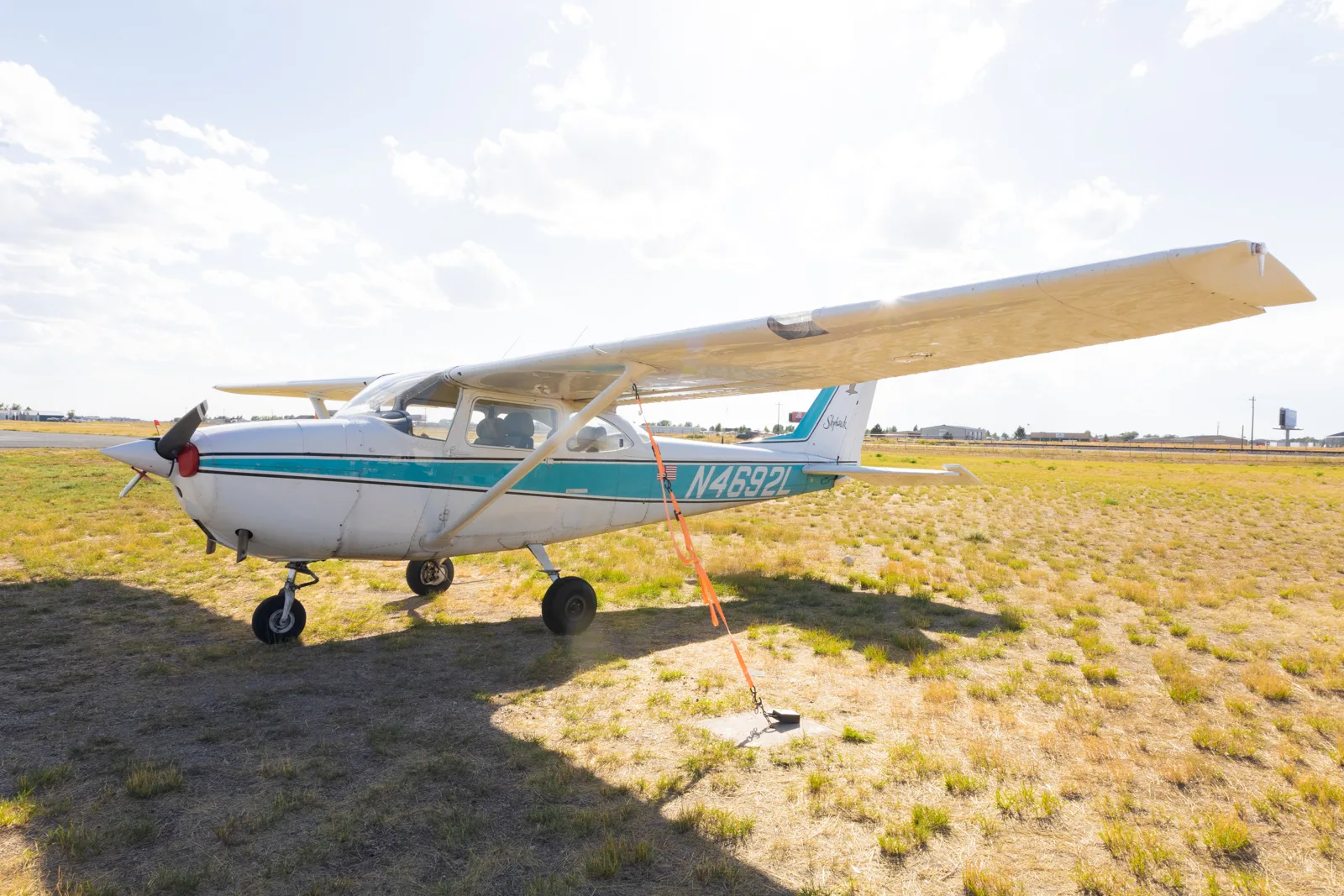
You’ll learn both in the airplane with an instructor beside you, one approach at a time. Private pilot students at Bravo 6 start in our Cessna 172 Skyhawks.
Explore flight training at Bravo 6 Flight Academy and take the first step toward getting in the cockpit.